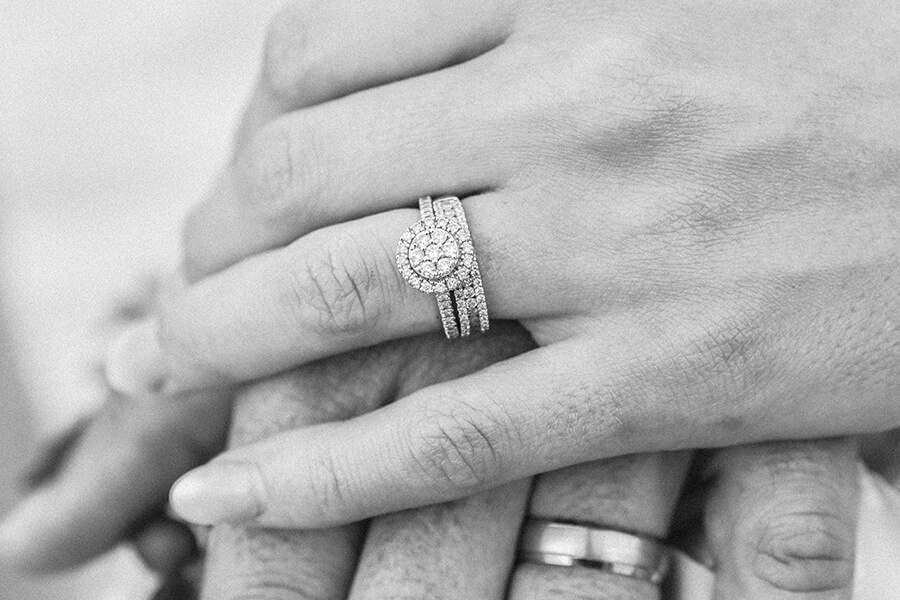
Millennials and Their Sustainable Jewelry Choices
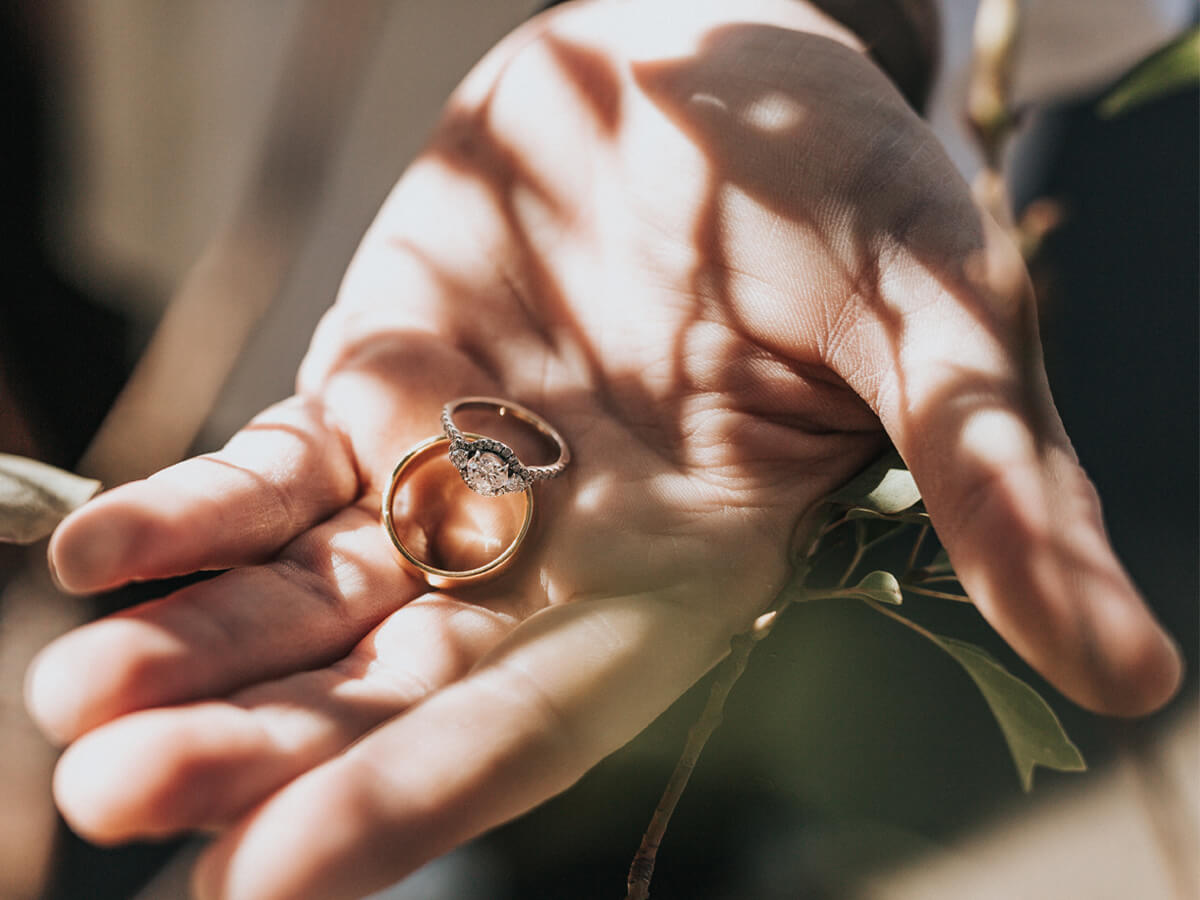
For generations, jewelry has been associated with heavy gold necklaces or expensive diamond rings and earrings. But now, millennials are on a mission to break this imagery of jewelry and rebrand it as ‘cool’.
This highly confident bunch of individuals with a ‘follow your dreams at all costs’ attitude already accounts for nearly 60% of jewelry owners in the world, and they are increasing this number by influencing their peers through social media. There is a great deal of variation among millennials when it comes to jewelry; some people are into glittering gold and some are fans of blinging silver, while others mix and match anything they can get their hands on. But they all agree with the idea that jewelry completes their outfits. So, you’d mostly see millennials wearing earrings of geometric shapes, rings supporting delicate gemstones, and various kinds of metal necklaces.
However, despite all the fun and frivolousness, millennials are the most environmentally conscious generation ever. Traditional jewelry businesses, especially diamond and gold, have come under repeated scrutiny. The idea of buying expensive jewelry and then dumping it in the cupboards is something that millennials can’t wrap their heads around. These factors have led millennials to seek more sustainable alternatives to traditional jewelry. Here are the few key sustainable jewelry trends that have grabbed the attention of millennials over the years.
Recycled Metals
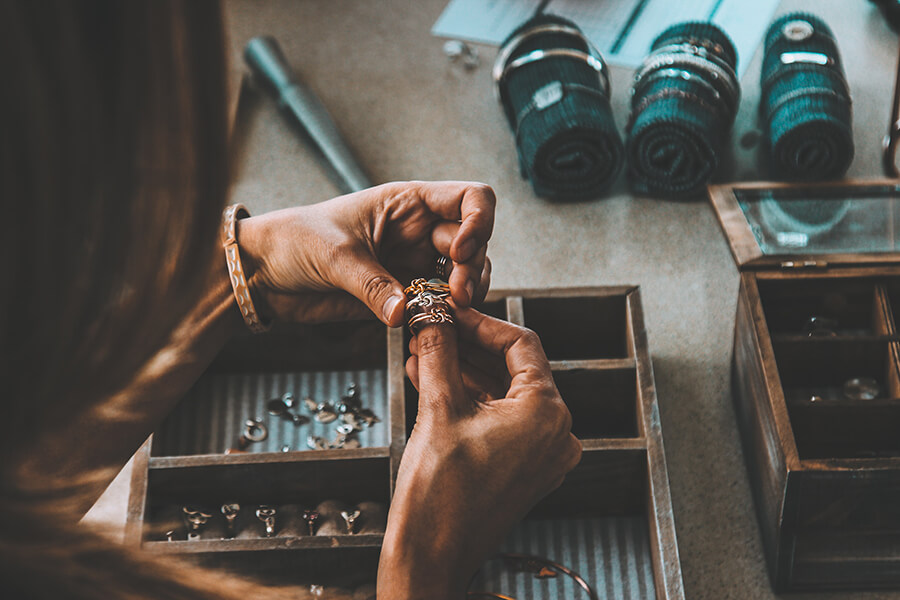
Gold comes with a long list of problems starting with a history of continental violence and environmental damage, to modern-day concerns like price fluctuation. Recycled metals are prepared using discarded gold and platinum jewelry, giving these metals a new identity and persona. No wonder, then that it’s trending amongst young customers. It feeds into the millennial and gen-z philosophy of normalizing second-hand product usage, with vintage and thrift products.
By adopting recycled jewelry, they are extending the life of existing jewelry without contributing to the harmful practices of mining and metal extraction.
Lab Grown Diamonds
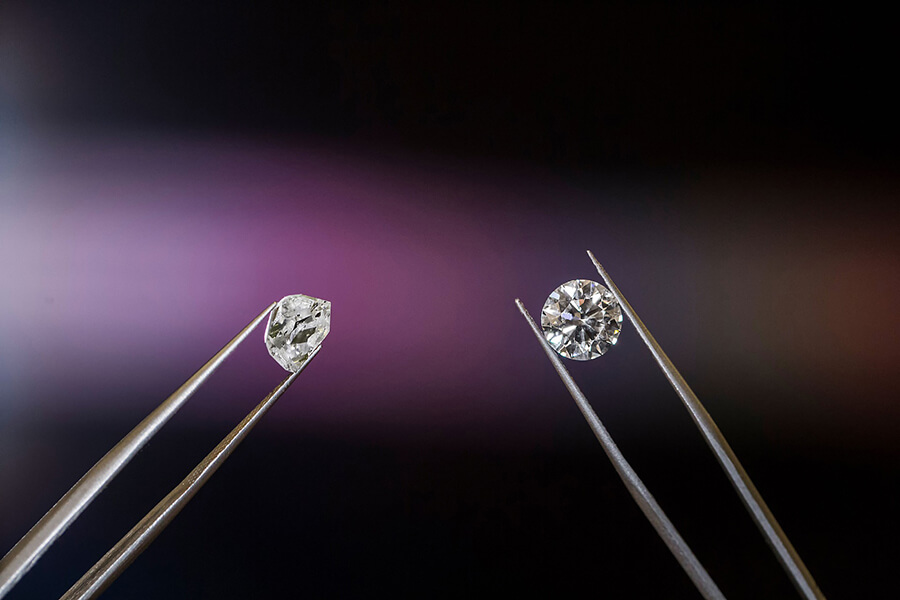
Diamond mining not only has hazardous effects on the miners but also destroys natural resources, creates toxic waste, and negatively impacts the ecosystems of the mined area. Add mining accidents to the list and it becomes one of the most destructive jewelry products worn by humans. A lab-created diamond is grown inside a lab using scientific methods that replicate the natural diamond growing process. The result is a man-made diamond that is chemically, physically, and optically the same as those grown beneath the Earth’s surface. The only difference is that these are completely environment friendly.
The demand for lab grown diamonds has increased exponentially among millennials, because the lab manufacturing process cuts the price of this expensive jewelry by up to 30% and there’s zero cost paid by the environment or society.
Ethical Diamond and Gold
Ethical diamond or gold jewelry is made by extracting the metal using ethical mining practices like safe treatment of miners, adequate wages, environment friendly extractions, reduced pollution, and proper disposal of waste products. These diamonds are also called conflict-free diamonds and come at no extra cost. Jewelry made from ethical practices is a good start for the millennials who are on their sustainability journey.
As they realize the true potential of their sustainable practices, they can move to more distinct alternatives or traditional jewelry.
Millennials are born explorers and problem solvers.They will keep searching for more alternatives to traditional jewelry to fulfill their desire for a sustainable future. So, keep yourself updated with all the new trends that this fashion frenzy and environment friendly generation is coming up with, by the day.