
Sustainable Fashion Trends, Beyond Jewelry
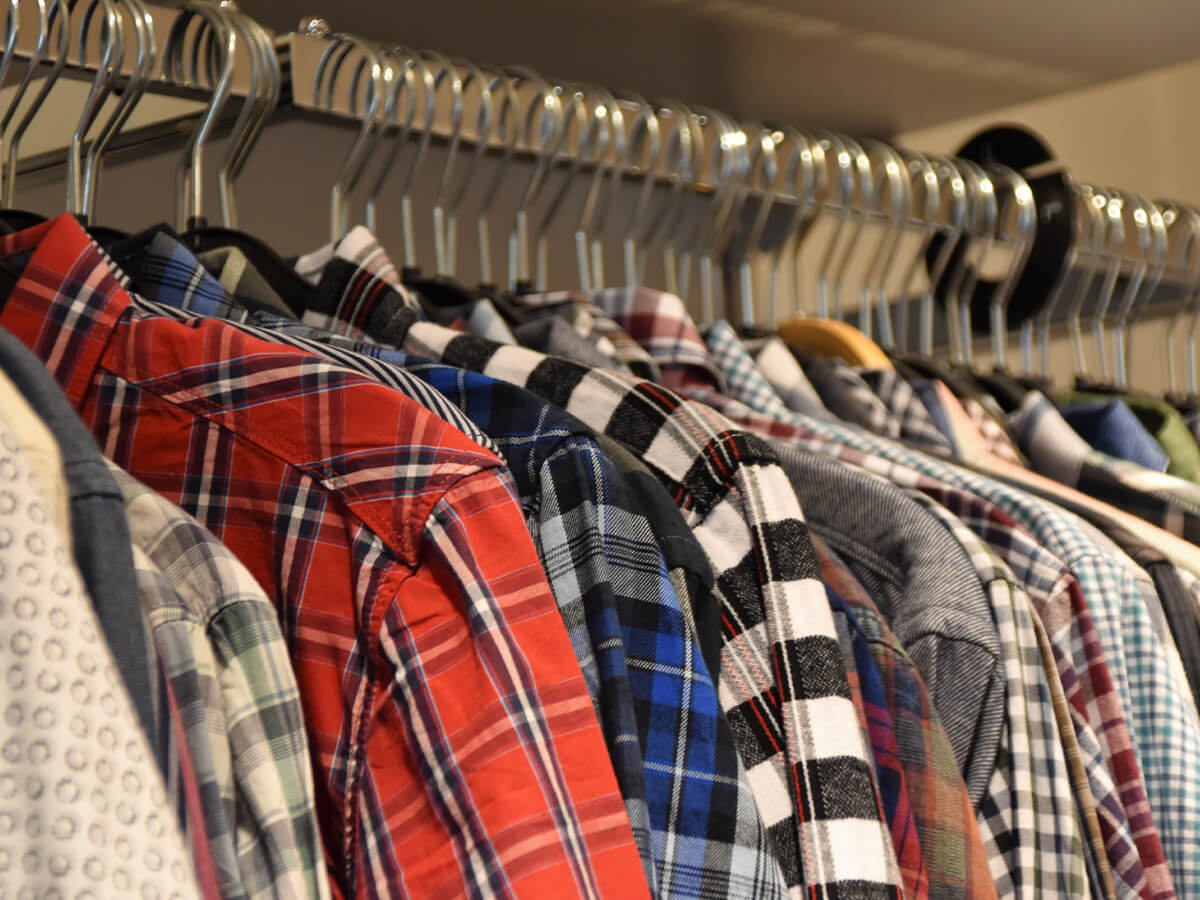
Over the past few years, the fashion industry has taken made the world sit up with its conscious behavior and the shift to sustainability. In fact, in this trend, there is more to its style and way of production, rather than just accessorizing.
The most prominent sustainable fashion trends in 2022, are:
Recyclable textiles for sustainable fashion
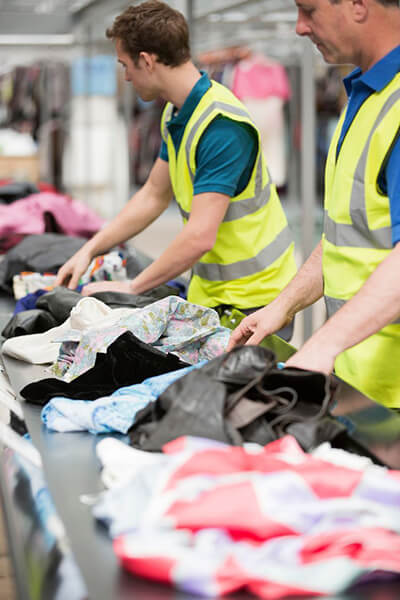
The process of reclaiming fiber, yarn, or fabric and reprocessing them into useable items is known as textile recycling. Textile recycling has become a prominent focus of global sustainability efforts due to a recent tendency of overconsumption and waste creation in global fashion culture. Globalisation has resulted in a “fast fashion” trend, in which many consumers perceive items to be disposable owing to their increasingly low pricing. As a result, the textile industry has been able to generate large quantities of items that deplete natural resources.
Source: Pinterest @wilkiwak
Renting fashion helps sustainability
Understanding how these businesses work is as simple as it seems. By Rotation, for example, is a peer-to-peer service, meaning individual lenders and renters manage the process themselves, either posting or meeting up to swap products and taking care of the cleaning (within brand requirements) with no involvement from the company – unless there’s a problem. It’s similar to Airbnb, but for clothing.
Fashion on demand
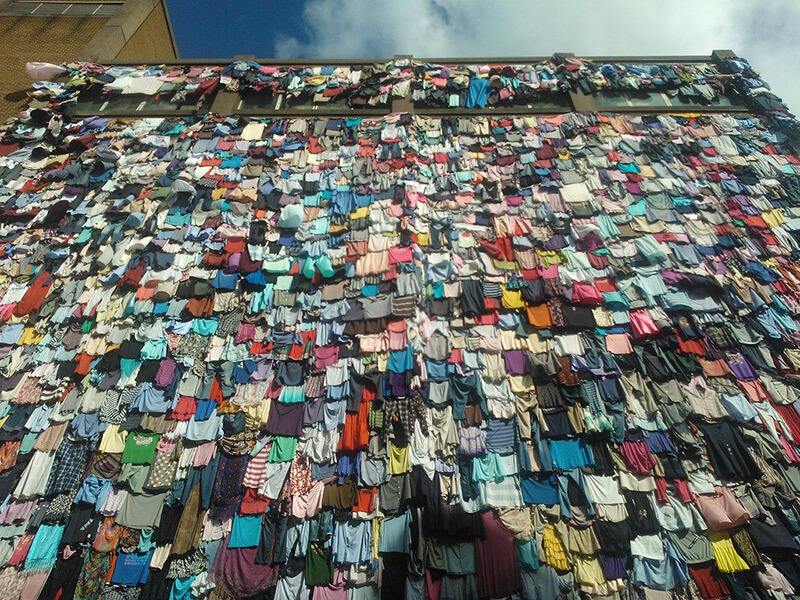
Overproduction is fashion’s largest environmental issue, and on-demand manufacturing businesses believe they can help fix it while also providing a better fit. Unspun is a business that creates jeans to order based on specific measurements both as a consumer-facing brand and through collaborations with larger brands and stores. In April, the brand announced its association with H&M-owned brand ‘Weekday’ to sell Body Scan Jeans.
In the fashion business, the rising trend of consumer-centric thinking and an increased need for customization has caused brands to reconsider their production processes. Creating personalized clothing on-demand has always been the ideal solution. However, advances in fashion technology indicate that the era of affordable on-demand fashion has arrived.
Source: Pinterest @sakinameghani
Local production trends
It depends, like with everything else, on the perspective you choose to look at it from.
However, more and more firms are beginning to move to manufacture, at least a portion of their production, back “home.”
More transparency is achieved by reducing the number of steps in the supply chain. This has a good influence on labour conditions and salaries, and as a result, locally created apparel is more ethical.
Product passports & transparency
Brands are finally using blockchain technology to store and exchange product information with partners and consumers in an effort to improve authenticity, transparency, and sustainability.
Reformation, a denim apparel manufacturer, has teamed up with blockchain platform FibreTrace to give customers QR codes, offering access to lifetime information on denim garments, while TS Designs is certifying US-made textiles using QR-enabled passports. In addition to authentication and traceability, some businesses are also using the technology in these goods to encourage brand engagement, loyalty, and repeat purchases.
Metaverse fashion
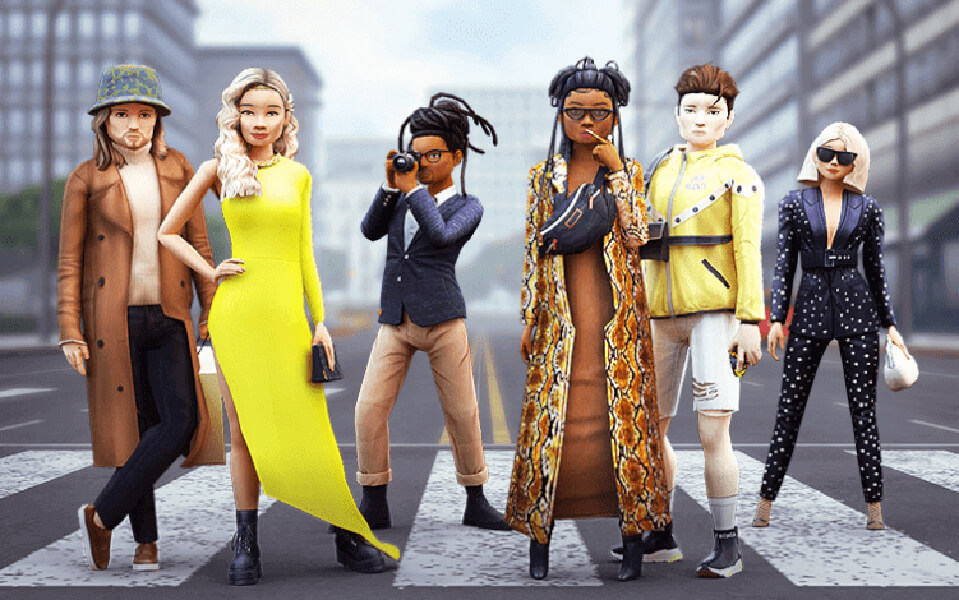
Even if it feels far from reality and lacks some of the richness of real-life conversations, not to mention the sensory pleasure of wearing clothes and measuring up other people’s appearances, metaverse fashion may eventually become our reality. What it lacks in everyday friction, it more than makes up for in other ways. And, as we continue to replace face-to-face encounters with digital ones, it may begin to feel more natural than doing things in person.
Source: Pinterest @makeanapplike
In conclusion, while we consider what will make fashion unique in 2022, we can only hope that these are more than mere trends. The sustainable fashion trends highlighted here might be only the beginning of revolutionary movements aimed at transforming the fashion sector in a long-term and sustainable way. Because, while trends come and go, sustainability is here to stay and slay!